Food is Medicine Intelligence
Real-time coverage of the policies, programs, and innovations transforming healthcare through nutrition.

Delaware Food is Medicine Committee to Unveil Statewide System Pathway
The Delaware Food is Medicine Committee is set to present a strategic plan for a statewide 'Food is Medicine' system that leverages federal funding from the Rural Health Transformation Program. The initiative aims to integrate preventative healthcare services to improve patient outcomes and reduce overall healthcare costs.

How Centene Improves Care with Food is Medicine Programs
Centene is expanding its Food is Medicine (FIM) initiatives by integrating nutrition support directly into clinical care to help members manage chronic conditions and pregnancy. The programs utilize medically tailored groceries and produce prescriptions, which function as vouchers or incentives for fruits and vegetables to support individuals at risk for diet-related health issues.

Facktor Ventures Launches Inaugural Fund Built for Community Health
Facktor Ventures Management has officially launched its inaugural early-stage venture capital fund, Facktor Ventures Fund I LP. The fund is specifically designed to invest in companies that support community health and infrastructure, aligning with the growing interest in social determinants of health and food-based interventions.

California Congressman Josh Harder Announces New Bill to Invest in Food-is-Medicine Programs to Fight High Rates of Chronic Diseases Like Diabetes
Representative Josh Harder has introduced new legislation aimed at combating chronic diseases in California's Central Valley by increasing investments in nutrition support services. The bill seeks to foster partnerships between healthcare providers and community organizations to integrate food-based interventions into patient care.
Cheaper cigarettes will kill more Australians
The George Institute for Global Health released a new media release discussing the impact of tobacco pricing on public health outcomes. While the primary focus is on tobacco policy, the institute continues its broader work on food policy, including research into produce prescriptions and nutrition interventions for patients with chronic conditions like gestational diabetes.

Study: Food prescription programs for food-insecure, older adults work best when fresh food comes to their door
A new study from the University at Buffalo reveals that while traditional voucher-based produce prescription programs often suffer from low redemption rates, home delivery of fresh produce can increase participation to nearly 90%. Researchers suggest that delivery helps overcome barriers such as transportation issues and the potential stigma associated with redeeming vouchers at food pantries.

Food Is Medicine. Let's Treat It That Way.
This podcast episode from The Commonwealth Fund, released on October 16, 2026, explores the evolving landscape of Food is Medicine initiatives. It discusses the integration of nutritional interventions into healthcare systems and the ongoing efforts to standardize these approaches as legitimate medical treatments.

H.R.8390 - National Food as Medicine Program Act of 2026
This legislation, introduced in the House of Representatives, seeks to establish a federal grant program to help states plan and implement Food as Medicine initiatives. The bill specifically focuses on using Medicaid data to evaluate the impact of these interventions on reducing nutrition-related chronic conditions and improving health outcomes.

Feeding America and Academy of Nutrition and Dietetics Release First Community-based Medically Tailored Grocery Standards, Expanding Access and Clinical Rigor for Food is Medicine Programs
Feeding America and the Academy of Nutrition and Dietetics have introduced the first national standards for community-based medically tailored groceries to support individuals with chronic health conditions. These standards ensure that grocery programs are grounded in clinical evidence and designed by registered dietitian nutritionists to improve health outcomes.

US Legislation | 2025-2026 | 119th Congress | LegiScan
Recent legislative activity in the 119th Congress includes the introduction of HB10687, a bill aimed at directing the Secretary of Health and Human Services to establish a grant program to facilitate food access in community health centers. This development reflects ongoing federal interest in integrating nutritional support into the broader healthcare infrastructure.
Home delivered, medically tailored groceries improve diabetes control
The George Institute for Global Health reported on new research findings regarding the efficacy of home-delivered, medically tailored groceries in managing diabetes. This intervention highlights the growing integration of food-based strategies within clinical care to improve patient health outcomes.

Feeding America Report Bolsters ‘Food is Medicine’
A recent study by Feeding America highlights how food banks partnering with healthcare providers significantly improve patient health outcomes, including a 14% reduction in hospitalizations. The report emphasizes the critical role of non-profits in the Food is Medicine sector as for-profit companies increasingly secure funding from insurers and state governments.

District of Columbia’s Whole-Person Care Transformation 1115 Demonstration Waiver
On September 23, 2026, the Centers for Medicare & Medicaid Services approved a five-year renewal of the District of Columbia’s 1115 demonstration waiver. This initiative includes provisions for addressing health-related social needs, such as nutrition services, as part of a broader whole-person care strategy.
Food Policy Tracker
The Civil Eats Food Policy Tracker provides ongoing updates on legislative and regulatory developments affecting food systems, including recent activity regarding federal nutrition policy. The tracker monitors the evolving landscape of food-based interventions and their integration into broader public health and agricultural frameworks.
Food Is Medicine: How Cleveland Clinic Is Nourishing Community Health
Cleveland Clinic has integrated food-as-medicine strategies by leveraging its anchor status to partner with local grocery retailers, effectively eliminating food deserts in surrounding neighborhoods. The health system emphasizes that addressing nutrition requires broad policy alignment and the use of workforce and vendor relationships to sustain long-term community health.

ISU awarded federal grant to improve access to produce for pregnant and postpartum women
Idaho State University has been awarded nearly $500,000 in federal funding to launch a Maternal Produce Prescription Program. The initiative will provide eligible pregnant and postpartum individuals with prescriptions for produce, vouchers for fresh fruits and vegetables, and nutrition education to improve health outcomes.
Kroger, Walmart and Hy-Vee participate in NACDS Foundation food-as-medicine pilot
A recent report highlights a significant food-as-medicine pilot program involving major retailers Kroger, Walmart, and Hy-Vee. The initiative, known as the Community Pharmacy Produce Prescriptions Project, aims to improve health outcomes for patients with diabetes or hypertension by providing nutrition prescriptions for fresh produce.

Section 1115 Demonstration | dhcf - DC.gov
The District of Columbia received approval from the Centers for Medicare & Medicaid Services (CMS) on September 23, 2026, for a five-year renewal of its Whole-Person Care Transformation 1115 Demonstration Waiver. This initiative, effective October 1, 2026, continues the integration of health-related social needs, including specific proposals for nutrition services, into the District's Medicaid framework.

Food aid enrollment tanks after SNAP rule changes
Following the enactment of the One Big Beautiful Bill Act, national enrollment in the Supplemental Nutrition Assistance Program (SNAP) has dropped by approximately 5 million people. The decline is attributed to new federal restrictions and increased cost-sharing requirements for states, with Louisiana reporting a significant 21% decrease in program participants.

What is the Role of Regulatory Bodies in Healthcare?
A recent pilot study involving 39 adults found that patients who received medically tailored meals or used a digital wellness app after stopping GLP-1 therapy regained significantly less weight than those receiving usual care. The findings suggest that structured nutritional or behavioral interventions can help mitigate weight regain following the cessation of weight-loss medications.
Meijer Now Accepts evermore Cards, Expanding Access to Healthy Food and OTC Products for Medicare Customers
Retailer Meijer has announced that it now accepts evermore over-the-counter (OTC) spend cards at its locations. This update provides eligible Medicare customers with an expanded range of options to use their supplemental health plan benefits for purchasing covered OTC products and healthy food items.

Health Policy News
The latest update from ScienceDaily highlights ongoing developments in health policy, including the critical intersection of nutrition and chronic disease management. The report covers current trends in Food Is Medicine initiatives and the evolving landscape of federal and state-level nutrition assistance policies.
Nutritional intervention improves readmission rate, length of stay for surgical patients
A recent report published by ACDIS highlights how targeted nutritional interventions can significantly improve clinical outcomes, including reduced hospital readmission rates and shorter lengths of stay for surgical patients. This underscores the growing integration of nutrition-focused care strategies within broader healthcare delivery models to enhance patient recovery and system efficiency.

Rhode Island General Assembly Passes 'Food as Medicine' Pilot Program Legislation
The Rhode Island General Assembly recently passed legislation to create a Medicaid pilot program that utilizes medically tailored meals and nutritional support for patients with chronic, diet-related conditions. The bill establishes a task force to design funding strategies and develop a data-driven framework to improve health outcomes and curb rising Medicaid costs.
Reps. Smucker and Davids Introduce Bipartisan ‘Accountable Produce is Medicine Act’
Representatives Lloyd Smucker and Sharice Davids have introduced the bipartisan Accountable Produce is Medicine Act (H.R. 8355) to integrate nutrition-based interventions into the U.S. healthcare system. The legislation directs the Center for Medicare and Medicaid Innovation to test a bundled payment model that provides eligible patients with produce prescriptions and care coordination to manage chronic diseases.

Food-Is-Medicine Has No Billing Code, So A Startup Merged
The article explores the financial challenges facing the 'food-is-medicine' sector, specifically the lack of standardized billing codes that complicates revenue models for startups. It highlights how a recent merger was driven by the need to overcome these systemic barriers to scaling nutrition-based healthcare interventions.

CMS Approves District of Columbia’s Whole-Person Care Transformation 1115 Demonstration Waiver
The Centers for Medicare & Medicaid Services (CMS) has approved a five-year renewal of the District of Columbia’s 1115 demonstration waiver, effective October 1, 2026. This initiative includes provisions for health-related social needs, building upon previous subcommittee proposals that specifically addressed nutrition and housing services for Medicaid beneficiaries.

SNAP Healthy Incentives | Food and Nutrition Administration
Recent findings from the USDA's Gus Schumacher Nutrition Incentive Program (GusNIP) indicate that participants redeemed over $20 million in produce prescriptions and nutrition incentives. The program has demonstrated significant success in increasing fruit and vegetable intake among participants while simultaneously reducing food insecurity.

Illinois Healthcare Transformation 1115 Demonstration Waiver - Frequently Asked Questions
The Illinois Department of Healthcare and Family Services provides guidance on its approved 1115 waiver, which includes coverage for Health Related Social Needs such as food and nutrition services. To qualify for these nutrition supports, Medicaid members must be enrolled in managed care and meet specific clinical and social risk criteria.

Produce Prescription Program Shows Measurable Health Outcomes
A new report highlights the success of a produce prescription initiative where participants received $80–$120 per month via preloaded cards to purchase fresh fruits and vegetables. The program demonstrated significant improvements in health outcomes for individuals who utilized these healthy food vouchers at participating grocery retailers.

USA Today highlights NACDS Foundation food as medicine pilot
A recent report spotlights a 'food as medicine' pilot program involving major retailers including Kroger and Walmart. The project, conducted in partnership with the Food is Medicine Institute at Tufts University, provides eligible patients with nutrition prescriptions to improve health outcomes for chronic diseases.

Instacart partnership to scale food-as-medicine programs
Instacart has partnered with the health technology company Unite Us to integrate grocery delivery into food-as-medicine programs nationwide. This collaboration allows healthcare providers and payers to more effectively identify eligible patients, distribute food benefits, and track health outcomes through a connected digital infrastructure.

Medically Tailored Meals: How Food is Saving Lives and Cutting Healthcare Costs (2026)
This article discusses how medically tailored meals, designed by registered dietitians, are being utilized to improve health outcomes for patients with chronic conditions. It highlights the personalization of these meal programs as a human-centered approach to preventive medicine that effectively reduces healthcare costs.
Community Health Organization Will Bring Food, Nutrition Education, and Counseling to Eligible Washingtonians
Lifelong, a Washington-based community health organization, has expanded its food and nutrition services to provide medically tailored meals to Apple Health (Medicaid) members. The program, known as the Chicken Soup Brigade, integrates chef-prepared meals with individualized nutrition counseling provided by registered dietitians to support patients with chronic health conditions.

HHS Secretary Robert F. Kennedy Jr. tours a food distribution center
In a recent update regarding federal health policy, HHS Secretary Robert F. Kennedy Jr. was observed touring a food distribution center, highlighting the administration's ongoing focus on nutrition and food access. This activity occurs amidst broader discussions in Washington regarding the integration of nutritional support into federal health programs like Medicare and Medicaid.

Assembly OKs ‘Food as Medicine’ pilot program legislation
The Rhode Island General Assembly recently passed legislation to create a Medicaid pilot program that utilizes medically tailored meals and nutritional support to manage chronic, diet-related conditions. The initiative, supported by a $156 million award from CMS, aims to improve health outcomes and reduce long-term healthcare costs through a data-driven, state-level approach.
Funding Souq Secures Strategic Investment from Foodics to Expand Embedded Financing for Restaurants
Funding Souq has secured a strategic investment from Foodics to enhance its embedded financing solutions for the restaurant sector. This partnership aims to provide restaurants with better access to capital, supporting the broader ecosystem of food-related businesses and services.
Medicaid Waiver Tracker: Approved and Pending Section 1115 Waivers by State
This updated tracker from KFF provides a comprehensive overview of state-level Section 1115 Medicaid demonstrations, including those focused on health-related social needs (HRSN). It highlights how states are increasingly utilizing these waivers to address nutrition insecurity, housing instability, and other social determinants of health under the current federal framework.

Produce Prescription Programs: An Innovative Strategy for Improving Healthy Food Access
This brief highlights how produce prescription programs address food insecurity by providing vouchers for fresh fruits and vegetables to patients with diet-related illnesses. Evidence indicates that these initiatives are associated with increased produce consumption, reduced food insecurity, and improved self-reported physical and mental health outcomes.
Kroger Details AI Strategy Built on Decades Retail Expertise at GroceryShop 2026
At the GroceryShop 2026 conference held this week, Kroger executives highlighted how the retailer is leveraging artificial intelligence to enhance its retail operations and health-focused initiatives. The company continues to integrate its 'Food as Medicine' strategy by utilizing data-driven insights to personalize nutrition and pharmacy services for its customers.
ATLANTA COMMUNITY FOOD BANK’S ‘FOOD AS MEDICINE’ PROGRAM IMPROVES HEALTH GEORGIANS
A new cumulative report on the Food as Medicine 3.0 initiative reveals that a partnership between the Atlanta Community Food Bank and Grady Health System led to a 31% decrease in overnight hospitalizations for participants. The program provides patients with consistent access to nutritious food, referrals to SNAP, and nutrition education to help manage chronic health conditions.

New $10 Million Fund To Accelerate Food is Medicine Adoption in the United States
The Rockefeller Foundation has launched a $10 million Food is Medicine Impact Fund to scale nutrition-based healthcare interventions across the U.S. The initiative's inaugural investment supports a State Officer Program designed to integrate medically tailored meals and nutrition counseling into public health policy across 10 states.

Rhode Island Governor Signs Food-as-Medicine Pilot Program Legislation
Rhode Island has officially enacted legislation establishing a state-level food-as-medicine pilot program and task force. The initiative, which was signed into law in June 2026, tasks the state's executive office of health and human services with overseeing nutrition-based interventions to improve public health outcomes.

Feeding America releases landmark evaluation showing power of Food as Medicine
Feeding America, in partnership with the Elevance Health Foundation, has released a comprehensive evaluation demonstrating the efficacy of food bank-based Food as Medicine programs. The study highlights how integrating nutrition-focused interventions into healthcare can significantly improve health outcomes and food security for vulnerable populations.
1115 Waiver Demonstration – Washington State Traditional Health Care Practices Demonstration
The Centers for Medicare and Medicaid Services (CMS) announced that the Washington State Traditional Health Care Practices Demonstration 1115 waiver is open for public comment as of October 6, 2026. This demonstration seeks to integrate traditional health practices into the state's Medicaid framework to improve health outcomes and service delivery.

1115 Waiver Demonstration – Alabama Community Waiver Program
The Centers for Medicare & Medicaid Services (CMS) has announced that the Alabama Community Waiver Program is open for public comment as of October 7, 2026. This 1115 demonstration waiver request seeks to renew the state's community-based services program.

SNAP Healthy Incentives
The Food and Nutrition Administration provides an overview of healthy incentive programs that encourage SNAP participants to purchase nutritious foods through vouchers, discounts, and gift cards. These initiatives, including the Gus Schumacher Nutrition Incentive Program, have demonstrated significant economic impact and improvements in fruit and vegetable consumption among participants.
Blue Cross NC renews funding for WNC prescription food program
Blue Cross and Blue Shield of North Carolina has renewed its financial support for a produce prescription program in Western North Carolina. The initiative provides eligible participants with vouchers to purchase fresh, locally grown fruits and vegetables at participating farmers markets and grocery stores.
Medicare Advantage Is Quietly Cutting One of Its Most Popular Perks for Seniors
Medicare Advantage plans are reportedly scaling back supplemental benefits, including over-the-counter (OTC) allowances and grocery cards. These changes may impact the value of plans for seniors who rely on these perks for everyday health and wellness expenses.

Grocery stores are becoming America's front door to healthcare
This article explores how regional supermarket chains are transitioning 'Food as Medicine' initiatives from conceptual frameworks into practical, in-aisle realities. It highlights how the rise of GLP-1 medications is reshaping consumer behavior and increasing the strategic importance of integrated health services within the grocery retail environment.

Stopping GLP-1 drugs often brings weight back. A small trial suggests ways to slow it
A recent study published in Obesity Science & Practice investigated whether medically tailored meals or digital wellness apps could help mitigate weight regain after patients stop taking GLP-1 receptor agonists. The research highlights the role of these dietitian-designed meal interventions in supporting long-term weight management for individuals transitioning off obesity medications.
Better Healthcare and Better Health for Older Adults
This American Hospital Association report highlights ongoing efforts to integrate nutrition into clinical care, specifically focusing on how healthcare providers are utilizing food prescriptions to address health disparities. The article emphasizes the importance of place-based strategies and the role of food as a fundamental component of patient health and chronic disease management.
ATLANTA COMMUNITY FOOD BANK’S ‘FOOD AS MEDICINE’ PROGRAM IMPROVES HEALTH OF GEORGIANS
A new cumulative report on the Food as Medicine 3.0 initiative reveals that a partnership between the Atlanta Community Food Bank and Grady Health System led to a 31% decrease in overnight hospitalizations for participants. The program connects patients facing food insecurity with nutritious food resources, demonstrating the clinical impact of integrating nutrition interventions into healthcare systems.

Medicaid’s Social-Needs Waivers Reach Renewal With Their Federal Framework Already
This article examines the precarious position of state Medicaid 1115 waivers that include Health-Related Social Needs (HRSN) services, such as nutrition support and housing assistance. As these programs approach renewal, providers face uncertainty due to shifts in federal guidance and administrative priorities regarding the sustainability of these social-needs initiatives.
Healthy Foods for Better Health: Shapiro Administration Highlights ‘Food is Medicine’ Plan to Improve Medicaid Recipients’ Health Through Nutritious Meals
The Pennsylvania Department of Human Services is advancing a 'Food is Medicine' initiative as part of Governor Josh Shapiro's 2026-27 budget proposal. The plan includes a $900,000 state investment to launch a pilot program providing medically tailored meals to Medicaid recipients suffering from diet-sensitive chronic conditions.
Food is Medicine: A Strategic Shift in State Health Policy
Governors across the United States are increasingly prioritizing 'Food is Medicine' initiatives as a core component of healthcare transformation. These state-level strategies focus on integrating healthy food access into Medicaid programs to address chronic disease and reduce long-term healthcare expenditures.
USDA Announces $180 Million to Fund Seed Research
The USDA has announced a new $180 million funding initiative through the Stand-Up Program to support agricultural seed research. This investment aims to bolster food system resilience and innovation, contributing to the broader landscape of food policy and nutrition security.
Colorado's 1115 Waiver Extension Includes Health-Related Social Needs
The Colorado Department of Health Care Policy and Financing recently confirmed that its 1115 demonstration waiver, which includes provisions for nutrition and housing supports, has been extended through the end of 2026. These health-related social needs (HRSN) services encompass medically-tailored meals, pantry stocking, and nutrition counseling for eligible Medicaid members.
Lindholz’s legacy spans pharmacy, Food as Medicine and the creation of a cross-industry movement advancing a more connected, preventive and accessible future of health
Following the announcement of Colleen Lindholz stepping down as president of Kroger Health, industry reports highlight her foundational role in architecting the company's 'Food as Medicine' strategy. Her leadership helped bridge the gap between retail pharmacy services and nutritional health initiatives, aiming to create a more preventive and accessible healthcare ecosystem.
Kroger Health president Colleen Lindholz to step down
Colleen Lindholz, the president of Kroger Health and a key architect of the company's 'Food as Medicine' strategy, is stepping down from her role. Her tenure was marked by efforts to integrate pharmacy services with grocery retail to create a more preventive and accessible healthcare model.

Medically Tailored Meals: A Case for Federal Policy Action
This article examines the role of medically tailored meals (MTMs) as a clinical intervention designed by registered dietitians to manage chronic disease. It argues for federal policy action to standardize and expand these programs as a cost-effective strategy to improve patient health outcomes and reduce hospitalizations.
Feeding America Report Bolsters ‘Food is Medicine’
A recent study by Feeding America highlights the significant impact of food banks on health outcomes, showing that integrating nutrition into healthcare can reduce hospitalizations and emergency room visits. The report underscores the growing momentum of the 'Food is Medicine' movement as for-profit companies and non-profits alike seek to leverage funding from insurers and government programs to address food insecurity.

Vermont Global Commitment to Health
The Centers for Medicare & Medicaid Services (CMS) recently updated the status of Vermont's Global Commitment to Health Section 1115 demonstration waiver. This approval, finalized on October 17, 2025, continues the state's long-standing authority to test innovative service delivery models within its Medicaid program.
Does Medicare Offer an Allowance for Groceries?
While original Medicare does not provide a grocery allowance, many private Medicare Advantage plans offer supplemental benefits that include healthy food and produce coverage. These plans typically distribute funds via prepaid debit or flex cards, which often combine grocery allowances with over-the-counter (OTC) medication and health product benefits.
Food is Medicine: How Medically Tailored Meals Are Changing Healthcare
A recent analysis highlights the growing integration of medically tailored meals into clinical care, emphasizing the role of registered dietitians in managing chronic disease. The report underscores how these nutrition-focused interventions are increasingly being recognized by health systems as a cost-effective strategy to reduce hospital readmissions.
Instacart's plans for nationwide food-as-medicine program
Instacart has partnered with the technology company Unite Us to launch a nationwide program that integrates healthcare referrals with grocery benefit delivery. The initiative uses a closed-loop system to identify eligible patients and distribute 'Fresh Funds' stipends, which can be used for healthy food purchases across various healthcare and government programs.
AMCP Policy Summit to Feature Keynote on Federal Policy and Pharmacy Benefit Management
The Academy of Managed Care Pharmacy (AMCP) announced that analyst Charlie Cook will keynote their upcoming policy summit in San Diego, which focuses on critical legislative and regulatory issues. The event will address ongoing discussions regarding Medicaid policy, pharmacy benefit management, and the implementation of federal drug price negotiation programs.
Congress wants to pay primary care monthly and keep AI out of denials
A recent report highlights ongoing legislative efforts in Congress aimed at reforming primary care payment models and regulating the use of artificial intelligence in health insurance denials. These discussions are part of broader policy considerations regarding the future of Medicare and Medicaid delivery systems.
Food as Medicine' pilot program legislation signed into law
Rhode Island has officially enacted legislation establishing a state-level 'Food as Medicine' pilot program and task force. The initiative, administered by the executive office of health and human services, aims to integrate nutritional interventions into the state's healthcare framework.

Nebraska DHHS Updates on Medicaid Demonstration and Policy
The Nebraska Department of Health and Human Services recently announced it will not proceed with its proposed Sustainable Coverage Demonstration application to CMS. The department confirmed that current retroactive Medicaid eligibility and coverage policies will remain unchanged following a review of stakeholder feedback and federal policy guidance.

UCL Grand Challenges has awarded a total of £140,000 to seven projects through its 2026/27 Inequalities funding call
University College London (UCL) has announced the recipients of its 2026/27 Inequalities funding call, which supports research projects addressing systemic disparities. This philanthropic investment aims to foster innovation across various disciplines, including those intersecting with health and nutrition equity.
Startup Funding News Today, October 8, 2026: Manus, Universal Quantum, Mecka, Verso, and More
This report covers the latest venture capital activity as of October 8, 2026, highlighting significant funding rounds across various sectors including health-tech and food-related innovation. The article details how major capital concentrations are shaping the startup landscape, providing context for emerging companies in the food-as-medicine and wellness space.
CMS eliminates ‘fast-track’ process for certain Medicaid section 1115 waivers
The Centers for Medicare & Medicaid Services has ended its expedited review process for certain Section 1115 demonstration extensions to ensure compliance with new budget neutrality requirements. This change follows a July 2025 reconciliation bill that mandates the CMS chief actuary certify the financial impact of these demonstration projects.

Maryland Announces $10 Million in Funding to Increase Access to Fresh Produce in High-Poverty Communities
Governor Wes Moore has announced $10 million in new funding for Produce Rx grants to provide medical nutrition and dietary support to individuals with chronic conditions. The initiative aims to improve health outcomes and address food insecurity by delivering fresh produce prescriptions specifically within communities experiencing high concentrations of childhood poverty.
USDA Announces $7.5 Million in Grant Funding to Expand Cold Chain Capacity and Increase Access to Real Food
The USDA has announced a new $7.5 million grant initiative aimed at strengthening the cold chain infrastructure to improve the distribution and accessibility of fresh, nutritious produce. This funding supports efforts to connect local agricultural producers with nutrition assistance programs, ensuring that families relying on food vouchers and SNAP benefits have better access to healthy food options.
What to know about 2026 OTC, healthy food and utility benefit changes
UnitedHealthcare provides guidance on how the 2026 expiration of the Centers for Medicare and Medicaid Services (CMS) Value-Based Insurance Design (VBID) model impacts supplemental benefits. This change affects the availability of non-medical credits, such as healthy food and utility allowances, that were previously offered through certain Medicare Advantage plans.
Kroger Health launches new food-as-medicine program
The healthcare division of The Kroger Co. has partnered with Performance Kitchen to provide medically tailored meals to individuals managing specific health conditions. This initiative aims to integrate nutrition directly into clinical care to improve patient outcomes.
Food Is Medicine Sees Landmark Year With Boosted Funds
The American Heart Association's Health Care by Food initiative reports a significant increase in research and policy advancements regarding food-as-medicine interventions. The report highlights the growing potential for integrating nutrition services, such as produce prescriptions and medically tailored meals, into healthcare systems to improve patient outcomes cost-effectively.
Foodsmart Introduces Food-is-Medicine Benefits Management (FBM): Turning Food Spend Into a Clinically Accountable Program
Foodsmart has launched a new program called Food-is-Medicine Benefits Management (FBM) to help health plans manage and provide clinical oversight for nutrition interventions. The initiative aims to bring financial accountability and operational structure to programs like medically tailored groceries and nutrition support, which have been shown to improve health outcomes and reduce hospitalizations.
Medically Tailored Groceries Standard Supports Food is Medicine
Feeding America and the Academy of Nutrition and Dietetics have introduced a new standard for medically tailored groceries to help bridge the gap between the healthcare industry and hunger relief organizations. This initiative aims to provide a consistent framework for prescribing healthy food to patients with chronic, diet-related conditions, facilitating more effective collaboration on Food is Medicine programs.
West Virginia Code §9-5-35: Food is Medicine services under the Medicaid Program
This state legislation authorizes the use of nutrition-based interventions, known as Food is Medicine services, within the West Virginia Medicaid program. The policy aims to improve health outcomes for members with nutrition-related chronic diseases by covering services such as medically tailored meals, produce prescriptions, and nutrition counseling.

Food-as-medicine startup Season Health nabs $7M
Season Health has secured $7 million in new venture capital funding to expand its platform, which connects patients with chronic conditions to personalized nutrition and food-as-medicine programs. The company continues to grow its footprint in the healthcare sector by integrating clinical nutrition services with food delivery and insurance-backed reimbursement models.

Food as Medicine: The Growing Intersection of Nutrition and Venture Capital
Recent market analysis indicates that the Food as Medicine sector continues to attract significant venture capital, with over 500 funded entities securing billions in total investment. This influx of capital is fueling the expansion of digital health platforms and medical nutrition programs designed to integrate dietary interventions into standard clinical care.

Expanding the Substance Use Disorder (SUD) Continuum of Care Waiver
Colorado's Department of Health Care Policy and Financing is pursuing an extension for its 1115 demonstration waiver, which includes significant provisions for Health Related Social Needs. The proposed expansion incorporates comprehensive nutrition services, such as medically-tailored meals, pantry stocking, and nutrition counseling, alongside housing support services.
Franciscan Health to host Produce Prescription Program
Franciscan Health has partnered with the Indy Hunger Network to launch a six-week Produce Prescription Program aimed at improving access to healthy food. The initiative provides participants with fresh fruits and vegetables alongside hands-on nutrition education to help them develop sustainable healthy eating habits.
Medicare Advantage OTC Benefits: What You Need to Know
Medicare Advantage plans increasingly offer flexible spending cards that allow members to purchase over-the-counter health items and, in some cases, healthy groceries. These benefits are typically managed through preloaded debit-style cards that can be used at participating retail locations or online. Members are encouraged to review their specific plan documents to understand their monthly allowance limits and eligible product categories.
What does the Aetna Medicare Extra Benefits Card cover?
The Aetna Medicare Extra Benefits Card provides members with specific 'wallets' that include allowances for everyday health expenses. Depending on the plan, these funds can be used for over-the-counter (OTC) health products, as well as healthy foods and personal care items through an Extra Supports Wallet at participating retailers.
Kroger leader, food as medicine champion to retire
Colleen Lindholz, the president of Kroger Health, is set to retire after a thirty-year career during which she served as the lead architect of the company's 'Food as Medicine' strategy. Her legacy includes advancing a cross-industry movement that integrates pharmacy services with preventive health and nutrition initiatives.
Lindholz steps down as Kroger Health president
Colleen Lindholz, the president of Kroger Health, is retiring after a three-decade career during which she served as the lead architect of the company's 'Food as Medicine' strategy. Her legacy includes advancing a cross-industry movement focused on making healthcare more connected, preventive, and accessible through the integration of pharmacy and nutrition services.
Food Is Medicine: A New Frontier in Healthcare Policy and Nutrition
As of October 2026, the integration of Food is Medicine interventions into healthcare policy continues to gain momentum, with a focus on scaling produce prescriptions and grocery benefit cards. Recent industry discussions highlight the necessity of standardizing these nutrition interventions to ensure they are clinically accountable and accessible through retail partnerships.

Food Is Medicine & Trends in Prescription Drugs
This report highlights the ongoing expansion of Food Is Medicine programs as a critical strategy for managing chronic diseases and improving health outcomes. It also covers recent state-level policy shifts regarding SNAP benefits and ongoing investments by major health insurers in nutrition-based interventions.
Food is Medicine: The Growing Push for Nutrition in Federal Policy
Recent legislative activity in Congress has intensified the focus on integrating nutrition services into Medicare and Medicaid to combat chronic disease. Lawmakers are currently debating multiple bills, including the National Food as Medicine Program Act, which seeks to formalize coverage for medically tailored meals and produce prescriptions.
CRI2026 - NATIONAL FOOD AS MEDICINE PROGRAM ACT
The National Food as Medicine Program Act, documented in recent congressional records, aims to establish a federal grant program to support state-level Food as Medicine initiatives. The policy focuses on integrating nutrition-based interventions into Medicaid to address chronic health conditions and food insecurity.
Congress Finally Released its Plan to Slash Medicaid and Food Aid. What's Next for New York?
This report discusses recent legislative proposals in Congress that aim to reduce funding for Medicaid and various food assistance programs. The article examines the potential impact of these policy shifts on state-level safety nets and the ongoing debate regarding the integration of nutrition services into healthcare policy.
New Congressional Push to Integrate Nutrition into Medicare and Medicaid Models
Recent legislative activity in the 119th Congress, including the introduction of the National Food as Medicine Program Act of 2026, highlights a growing bipartisan effort to formalize nutrition interventions within federal healthcare programs. These policy proposals aim to leverage Medicaid waivers and the Center for Medicare and Medicaid Innovation to test whether medically tailored meals and produce prescriptions can effectively reduce chronic disease burdens and healthcare expenditures.
Exclusive: FOOD FOUNDERS Studio secures new funding to build its next two foodtech ventures
FOOD FOUNDERS Studio has successfully secured new capital to accelerate the development of its next two food technology ventures. The studio focuses on building innovative solutions within the foodtech space, which increasingly intersects with health-focused and food-as-medicine initiatives.
FOOD FOUNDERS Studio secures new funding to build its next two foodtech ventures
FOOD FOUNDERS Studio has successfully secured new funding to support the development of its next two food technology ventures. This investment highlights the ongoing interest in the foodtech sector as the studio continues to build innovative solutions within the industry.
Governor Hochul Announces Groundbreaking Medicaid 1115 Waiver Amendment to Enhance New York State’s Health Care System
New York State has received federal approval for a significant amendment to its Medicaid Section 1115 Demonstration, which allocates nearly $6 billion in federal funding over three years. This initiative establishes Social Care Networks designed to integrate health and social services, specifically connecting high-need Medicaid members to critical nutrition and housing support.
Building and Transforming Coverage, Services, and Supports for a Healthier Virginia
The Centers for Medicare & Medicaid Services (CMS) issued a formal demonstration approval for Virginia's Medicaid Section 1115 waiver on July 31, 2026. This approval supports the state's ongoing efforts to transform health coverage and integrate essential services, including social supports, into the Medicaid framework.
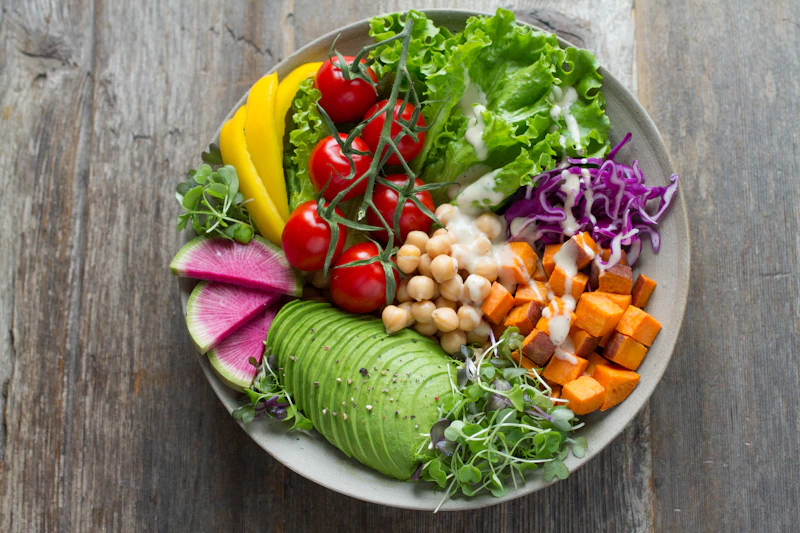
![Produce prescription programs: An innovative strategy for improving healthy food access [JAFSCD Sustainable Diets Brief]](https://images.unsplash.com/photo-1488459716781-31db52582fe9?w=800&auto=format&fit=crop)
Produce prescription programs: An innovative strategy for improving healthy food access [JAFSCD Sustainable Diets Brief]
This brief highlights how produce prescription programs address food insecurity and diet-related illnesses by providing vouchers for fresh fruits and vegetables. The authors note that evidence links these interventions to increased produce intake, improved food security, and better self-reported physical and mental health outcomes.