Food is Medicine Intelligence
Real-time coverage of the policies, programs, and innovations transforming healthcare through nutrition.

WIC Policy Memorandum #2026-6: Fiscal Year 2027 Cash-Value Voucher/Benefit Amounts
The Food and Nutrition Administration released a policy memorandum detailing the fiscal year 2027 inflation adjustments for cash-value vouchers used in nutrition programs. This update is part of ongoing federal efforts to manage food and nutrition benefits for eligible participants.

AMA advocacy: Graduate Medical Education and student loans > Top news stories from AMA Morning Rounds®: Week of Sept. 21, 2026
The American Medical Association has reaffirmed its commitment to the 'food is medicine' movement by advocating for federal funding and the integration of nutrition services into clinical healthcare delivery. The organization is actively supporting research and policy efforts to utilize medically tailored meals and produce prescriptions to improve chronic disease outcomes.
![Produce prescription programs: An innovative strategy for improving healthy food access [JAFSCD Sustainable Diets Brief]](https://images.unsplash.com/photo-1488459716781-31db52582fe9?w=800&auto=format&fit=crop)
Produce prescription programs: An innovative strategy for improving healthy food access [JAFSCD Sustainable Diets Brief]
This brief highlights how produce prescription programs address food insecurity and diet-related illnesses by providing vouchers for fresh fruits and vegetables. The authors note that evidence links these interventions to increased produce intake, improved food security, and better self-reported physical and mental health outcomes.

Top news stories from AMA Morning Rounds®: Week of Sept. 21, 2026
The American Medical Association has reaffirmed its commitment to the 'food is medicine' movement, advocating for the integration of nutrition services into healthcare delivery. The organization is actively supporting federal funding initiatives through the Department of Health and Human Services to advance evidence-informed strategies like medically tailored meals and produce prescriptions.

Albertsons expands 'food as medicine' partnerships
Albertsons has officially joined the Fresh Connect network to bolster its food-as-medicine initiatives. This program enables participants to utilize prepaid debit cards specifically for purchasing fresh produce at participating retail locations.

Governor Hochul Announces Groundbreaking Medicaid 1115 Waiver Amendment to Enhance New York State’s Health Care System
New York State has received federal approval for a significant amendment to its Medicaid Section 1115 Demonstration, which allocates nearly $6 billion in federal funding over three years. This initiative establishes Social Care Networks designed to integrate health and social services, specifically connecting high-need Medicaid members to critical nutrition and housing support.
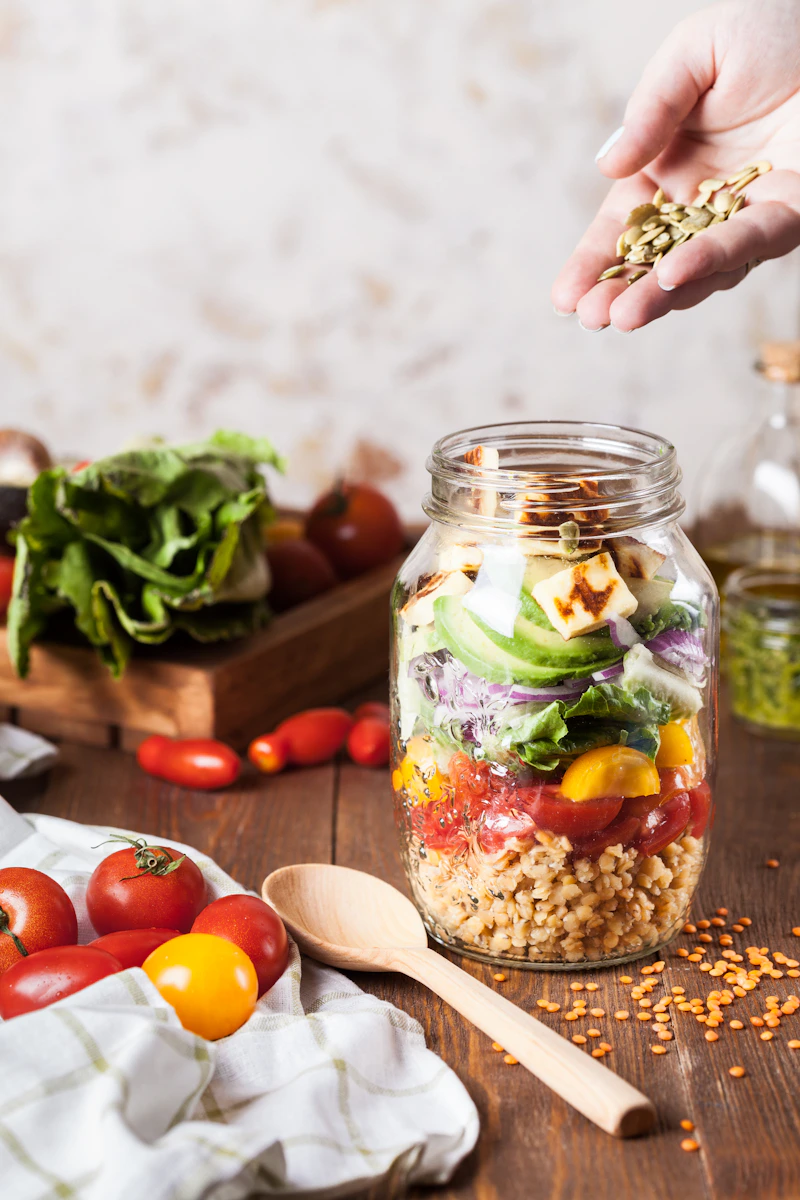
Food Is Medicine | odphp.health.gov
The Office of Disease Prevention and Health Promotion (ODPHP) provides updated resources on how nutrition interventions, such as produce prescriptions and medically tailored meals, can help manage chronic diseases. The site serves as a federal hub for disseminating evidence-based strategies to integrate food-based care into the broader healthcare system.
Medicare Advantage plans offer new flexibility for 2027 with expanded OTC and grocery benefits
As Medicare Advantage enrollment approaches, insurers are increasingly highlighting expanded flexible spending cards that combine over-the-counter health allowances with healthy food and utility benefits. These preloaded debit-style cards are designed to help chronically ill members manage daily expenses while simplifying the redemption process at participating retail locations.

Community Health Organization Will Bring Food, Nutrition Education, and Counseling to Eligible Washingtonians
Lifelong, a community health organization, has expanded its services to provide medically tailored meals and nutrition counseling to eligible Medicaid members across Washington state. The organization emphasizes that these dietitian-designed meals are a form of healthcare intended to improve patient outcomes and reduce medical costs.

USDA Announces New Funding for GusNIP Nutrition Incentive and Produce Prescription Projects
The USDA has announced a new round of funding for the Gus Schumacher Nutrition Incentive Program (GusNIP) to expand access to fresh produce for SNAP recipients. The initiative supports both nutrition incentives and produce prescription programs, which provide participants with specialized cards to purchase healthy food items at participating retailers.

Building and Transforming Coverage, Services, and Supports for a Healthier Virginia
The Centers for Medicare & Medicaid Services (CMS) issued a formal demonstration approval for Virginia's Medicaid Section 1115 waiver on July 31, 2026. This approval supports the state's ongoing efforts to transform health coverage and integrate essential services, including social supports, into the Medicaid framework.

CMS Takes Bold New Approach to Stewarding Medicaid Demonstration Project Spending
The Centers for Medicare & Medicaid Services (CMS) announced a new strategic approach to managing federal spending within Medicaid Section 1115 demonstration projects. This initiative aims to enhance oversight and ensure that state-led innovations, including those addressing social determinants of health like nutrition services, remain fiscally sustainable and effective.

Washington’s Fruit and Vegetable Incentives Program
The Washington State Department of Health provides updated resources regarding its Fruit and Vegetable Prescription (Rx) program, which allows healthcare providers to issue vouchers for fresh produce to food-insecure patients with chronic diseases. These vouchers function like cash at participating retailers, such as Safeway, to help improve health outcomes through better nutrition. The department recently updated its official fact sheets in June 2026 to reflect the current status and reach of these initiatives.

Predictors of Voucher Redemption in Produce Prescription Programs
This study examines the factors influencing how participants redeem fruit and vegetable vouchers provided through healthcare-based prescription programs. By analyzing redemption patterns, the research aims to identify barriers and facilitators that impact the effectiveness of these programs in improving diet and health outcomes for individuals with type 2 diabetes.

SNAP COLA Changes Coming October 1, 2026
The Rhode Island Department of Human Services has announced updated SNAP cost-of-living adjustments alongside the ongoing operation of its Eat Well, Be Well (EWBW) Pilot Incentive Program. This program provides SNAP recipients with additional benefits for purchasing qualifying fruits and vegetables, which are automatically loaded onto their EBT cards.

Does Medicare Offer an Allowance for Groceries?
While original Medicare does not provide a grocery allowance, certain private Medicare Advantage plans, particularly Special Needs Plans (SNPs), offer supplemental benefits for healthy food. These plans typically distribute funds via prepaid debit or flex cards, which may also cover over-the-counter medications and health-related products at participating retailers.
What is the Aetna Extra Benefits Card?
The Aetna Medicare Extra Benefits Card provides members with specific 'wallets' that contain allowances for everyday health and wellness expenses. Depending on the specific plan, these funds can be used for over-the-counter (OTC) products, personal care items, and in some cases, healthy food purchases at participating retailers.
Lindholz’s legacy spans pharmacy, Food as Medicine and the creation of a cross-industry movement advancing a more connected, preventive and accessible future of health
Colleen Lindholz, the president of Kroger Health, is stepping down from her role after serving as the lead architect of the company's Food as Medicine strategy. Her tenure is recognized for advancing a more connected and preventive approach to healthcare by integrating pharmacy services with retail food access.
Medically Tailored Groceries Standard Boosts Food is Medicine
Feeding America and the Academy of Nutrition and Dietetics have introduced a new standard for medically tailored groceries to help bridge the gap between the healthcare and hunger-relief sectors. This initiative aims to provide a consistent framework for prescribing healthy food to patients with chronic, diet-related conditions, facilitating more effective collaboration on Food is Medicine interventions.
The next Canada Groceries and Essentials Benefit goes out on Monday
The Canadian government is distributing the latest round of the Canada Groceries and Essentials Benefit to support low-income families struggling with rising costs. This initiative provides direct financial assistance to help households manage food expenses alongside broader efforts to bolster food bank resources and incentivize agricultural infrastructure.

Rhode Island General Assembly Passes 'Food as Medicine' Pilot Program Legislation
The Rhode Island General Assembly recently passed legislation to establish a Medicaid pilot program focused on utilizing medically tailored meals and nutritional support for patients with chronic, diet-related conditions. The bill, which now awaits the governor's signature, aims to address rising healthcare costs by integrating evidence-based nutritional interventions into the state's Medicaid framework.

New bipartisan push in Congress seeks to expand Food is Medicine access for Medicare and Medicaid beneficiaries
A new legislative proposal introduced this week aims to integrate Food is Medicine interventions, such as produce prescriptions and medically tailored meals, into federal healthcare models. The bill seeks to address rising diet-related chronic disease costs by requiring the Center for Medicare and Medicaid Innovation to test the efficacy of these nutritional supports for vulnerable populations.
Food and Beverage News and Trends - October 2026
This report highlights recent developments in the food and beverage sector, including significant USDA funding commitments aimed at supporting state inspection programs. The update underscores the ongoing intersection of government investment and private sector growth within the broader food industry landscape.

Startup news and updates: daily roundup (October 6, 2026)
This daily roundup highlights recent developments in the startup ecosystem, including a significant funding announcement for a health-focused venture. The capital injection is earmarked for international market expansion, the scaling of hospital network partnerships, and the continued development of a proprietary technology platform.

America’s doctors just voted for war with RFK Jr.
The article highlights ongoing tensions between the medical community and the current administration, specifically noting HHS Secretary Robert F. Kennedy Jr.'s recent focus on food distribution and nutrition-related health initiatives. This context underscores the broader political environment surrounding federal health policy and the administration's approach to integrating food-based interventions into public health strategies.

Medicaid and Medicare: The Evolving Landscape of Food as Medicine Policy
Recent legislative discussions in Congress have intensified around integrating 'Food is Medicine' interventions into federal healthcare programs to combat chronic disease. Policymakers are currently evaluating how to leverage Medicaid and Medicare frameworks to provide medically tailored meals and produce prescriptions as reimbursable clinical services.

Massachusetts Medicaid Seeks 1115 Waiver Extension Adding Hospital Incentives & Global Budgeting
Massachusetts has released a proposal to extend its Medicaid Section 1115 demonstration for five years, covering the period from 2028 through 2032. The extension request aims to continue existing initiatives, including nutrition, tenancy, and behavioral health support services, while introducing new hospital incentives and a global budget payment model.

RI Department of Human Services: SNAP Eat Well, Be Well Pilot Incentive Program
The Rhode Island Department of Human Services continues to operate its SNAP Eat Well, Be Well pilot program, which provides incentives to help SNAP recipients increase their purchase of healthy foods. This initiative aligns with broader efforts to integrate nutrition incentives and produce-focused support directly into the existing food assistance framework.
Unite Us and Instacart Partner to Scale Food-as-Medicine Programs Nationwide
Unite Us and Instacart have launched a partnership to create a unified ecosystem that helps healthcare organizations identify eligible members and distribute food-as-medicine benefits. By integrating closed-loop care coordination with grocery delivery, the collaboration aims to help payers and providers scale nutrition programs and measure health outcomes effectively.
Instacart's plans for nationwide food-as-medicine program
Instacart has partnered with the technology firm Unite Us to launch a nationwide initiative that integrates healthcare referrals with grocery benefit delivery. The program utilizes a closed-loop system to identify eligible patients and provide them with customized grocery stipends, aiming to bridge the gap between clinical care and nutrition access for Medicaid and Medicare beneficiaries.

Food as Medicine - 2026 Market & Investments Trends
The food-as-medicine sector has experienced robust financial activity in 2026, with startups securing $48.6 million in equity funding during the year. The industry continues to attract significant venture capital and private equity interest, with over 576 funded entities globally having raised more than $6 billion to date.
Montana Health Coalition/Medicaid Advisory Committee - October 7, 2026
The Montana Department of Public Health and Human Services has scheduled a meeting for October 7, 2026, to discuss upcoming Section 1115 demonstration applications. The agenda includes presentations on the renewal and amendment of the HEART waiver and the renewal of the WASP waiver, which are critical components of the state's Medicaid strategy.
Maryland Announces $10 Million in Funding to Increase Access to Fresh Produce in High-Poverty Communities
The state of Maryland has launched a $10 million grant program to expand 'Produce Rx' initiatives, which provide patients with prescriptions for fresh fruits and vegetables to manage chronic conditions. This funding aims to improve health outcomes and address food insecurity specifically within communities experiencing high levels of childhood poverty.
New Produce Prescription Initiatives Expand Access to Healthy Foods for Vulnerable Populations
Recent expansions in produce prescription programs are utilizing preloaded voucher cards to help food-insecure individuals purchase fresh fruits and vegetables. These initiatives, often integrated with healthcare provider referrals, aim to improve dietary outcomes and reduce chronic disease risks among SNAP-eligible participants.
Expanding Produce Prescriptions: New Federal Guidance on Nutrition Incentives
Recent federal policy updates are clarifying how healthcare organizations and retailers can integrate produce prescriptions into existing OTC benefit card programs. The guidance aims to streamline the use of voucher cards for fresh fruits and vegetables to improve patient health outcomes in underserved communities.
Food is Medicine Institute Urges US Healthcare System to Recognize the Power of Good Nutrition
The Food is Medicine Institute at Tufts University continues to advocate for the implementation of nutrition interventions, such as produce prescriptions and medically tailored meals, across all levels of the healthcare system. Recent updates highlight the upcoming 4th Annual Food is Medicine National Summit, where experts will discuss shaping the future of these policies and improving health equity.
Food as Medicine: Doctor-Backed Nutrition for Chronic Disease
This article examines the growing integration of 'Food as Medicine' interventions, such as medically tailored meals and produce prescriptions, into the U.S. healthcare system. It highlights recent legislative efforts from April 2026, including the National Food as Medicine Program Act and the Accountable Produce as Medicine Act, which aim to expand coverage through Medicare and Medicaid.

AAMC Backs Bill to Improve Chronic Care Management
The Association of American Medical Colleges (AAMC) has joined over 40 national organizations in supporting the Chronic Care Management Improvement Act of 2026. This bipartisan legislation aims to expand access to coordinated care for Medicare beneficiaries living with chronic conditions.
No recent news articles found
A search of available databases did not yield any news articles published within the last 7 days (September 26, 2026 – October 3, 2026) specifically regarding new Food is Medicine legislation or policy developments in Congress or state Medicaid/Medicare programs. While legislative activity such as H.R. 8390 occurred earlier in 2026, no new reporting on these topics has been indexed in the requested timeframe.
Invest in Food for Health®
Food for Health, a company specializing in digital food-as-medicine technology, is currently seeking investment to scale its patented Efficacy Engine. The platform utilizes peer-reviewed clinical evidence to provide personalized food outcome calculations for various sectors including healthcare, insurance, and retail.

NY 1115 Waiver Extension Application 9.30.2026
New York State has submitted a formal request for a five-year extension of its Medicaid Redesign Team Section 1115 demonstration, which is currently authorized through March 2027. The application outlines a roadmap for continuing to address upstream drivers of health, including the integration of social care services like nutrition and housing support.
Medicaid Waiver Tracker: Approved and Pending Section 1115 Waivers by State
This KFF tracker provides an updated overview of state-level Section 1115 Medicaid demonstration waivers, including those focused on health-related social needs (HRSN). It highlights that since 2022, CMS has expanded opportunities for states to address nutrition insecurity and housing instability through these waivers. The report also notes recent federal activity regarding reentry demonstrations and the ongoing evolution of state-led Medicaid innovation.

Nutrition 2026: Research on the Cutting Edge
This report highlights recent research presented at the Nutrition 2026 conference, including studies on produce prescription programs. Specifically, researchers shared findings on how participation frequency in distribution programs influences fruit and vegetable intake and how randomized controlled trials can increase food preparation behaviors.
USDA Announces $7.5 Million in Grant Funding to Expand Cold Chain Capacity and Increase Access to Real Food
The USDA has announced a new $7.5 million grant initiative aimed at strengthening the cold chain infrastructure to improve the distribution of fresh, healthy foods. This investment supports broader efforts to increase access to nutritious produce for families, including those participating in federal nutrition assistance programs.
What to know about 2026 OTC, healthy food and utility benefit changes
UnitedHealthcare has issued guidance regarding the 2026 expiration of the Centers for Medicare and Medicaid Services (CMS) Value-Based Insurance Design (VBID) model. This change impacts how Medicare Advantage plans, particularly Dual Special Needs Plans (D-SNPs), can offer supplemental credits for healthy food, utilities, and over-the-counter products.

Medicare Advantage OTC Benefits: What You Need to Know
Medicare Advantage plans increasingly offer over-the-counter (OTC) allowance cards that provide members with monthly or quarterly credits for health-related items. While these benefits are designed to help seniors manage costs for essentials like pain relievers and vitamins, some plans have expanded these allowances to include healthy food and utility assistance for qualifying members.
Kroger leader, food as medicine champion to retire
Colleen Lindholz, the president of Kroger Health, is set to retire after a tenure marked by her leadership in integrating pharmacy services with grocery retail. Her work has been instrumental in advancing Kroger's 'Food as Medicine' initiatives, which aim to improve health outcomes by increasing access to nutritious food and clinical care.

Kroger Health’s Lindholz To Retire After 31 Years
Colleen Lindholz, the president of Kroger Health, has announced her retirement after a 31-year tenure with the company. She is widely recognized as the primary architect behind Kroger's 'Food as Medicine' strategy, which integrates nutrition and pharmacy services to improve customer health outcomes.
March 2026 Research Round-Up
This research summary highlights recent clinical trials and policy analyses regarding 'Food is Medicine' interventions, including a study on produce prescription programs for patients with diabetes. It also features a review of federal and state-level policy frameworks aimed at advancing nutrition security and integrating these interventions into healthcare systems.
About Fresh Makes Healthy Food Part of Health Care
This initiative in Texas explores integrating produce prescriptions into routine clinical care for women with high-risk pregnancies. By utilizing the Fresh Connect platform, the program allows Medicaid members to access grocery benefits funded by Community Health Choice to improve maternal and infant health outcomes.

Medicaid budget cuts could lead states to think twice about covering healthy food for sick residents
Recent analysis highlights that while pilot programs demonstrate the cost-effectiveness of providing meals to Medicaid recipients, looming budget constraints are forcing states to reconsider these coverage expansions. Despite federal support for 'Food as Medicine' initiatives, the financial pressure on state Medicaid programs is creating uncertainty for the future of nutrition-based health interventions.

Assembly OKs ‘Food as Medicine’ pilot program legislation
The Rhode Island General Assembly recently passed legislation to create a Medicaid pilot program that utilizes medically tailored meals and nutritional support to manage chronic, diet-related conditions. The bill establishes a task force to design funding strategies for these interventions, which proponents argue will improve health outcomes and reduce long-term state healthcare expenditures.
AI Is Reshaping Clinical Nutrition: Precision Therapy, Venture Capital, and the Food-as-Medicine Frontier
Artificial intelligence is driving a transformation in clinical nutrition by enabling personalized dietary therapies, which has catalyzed significant venture capital investment in the food-as-medicine sector. The report highlights major funding rounds for startups such as Nourish, which raised a $70 million Series B, and L-Nutra, which secured $83.5 million to expand its medical nutrition programs.
Venture Capital & Startup Funding — October 1, 2026
This monthly report highlights recent activity in the startup ecosystem, including the launch of the Permanente Medicine Mid-Atlantic States Healthcare Accelerator. The accelerator program focuses on supporting early-stage companies, including those operating at the intersection of healthcare delivery and innovative nutrition-based interventions.

New Research Highlights Efficacy of Produce Prescription Programs in Improving Health Outcomes
Recent findings presented at the NUTRITION 2026 conference underscore the role of produce prescription programs in enhancing food preparation behaviors and increasing fruit and vegetable intake among participants. These studies, particularly those focused on the Mississippi Delta, provide critical evidence on how targeted nutritional interventions can address health disparities in vulnerable populations.
Maryland awards $10M in grants to expand access to fresh produce in high-poverty communities
The state of Maryland has awarded $10 million in grants to support collaborations between healthcare providers and community organizations to implement produce prescription programs. These initiatives provide patients with vouchers for no-cost fruits and vegetables to help manage diet-related chronic conditions such as diabetes and hypertension.
Medicare Advantage plans face scrutiny over supplemental benefit usage
Recent industry discussions highlight ongoing challenges with Medicare Advantage supplemental benefits, including OTC and grocery allowances, as regulators and insurers seek to improve member utilization rates. Stakeholders are increasingly focused on simplifying the user experience for these benefit cards to ensure that eligible seniors effectively access their health and food-related allowances.
Lindholz steps down as Kroger Health president
Colleen Lindholz, the lead architect of Kroger Health's 'Food as Medicine' strategy, has stepped down from her role as president. Her tenure was marked by efforts to integrate pharmacy services with nutrition programs to advance a more preventive and accessible future for healthcare.

Cost-saving Medicaid meal deliveries threatened by cuts, policy uncertainty
Recent reporting highlights that medically tailored meals, which are designed by registered dietitians to manage chronic conditions, are facing funding threats despite evidence of their ability to improve health outcomes and reduce state healthcare spending. The article notes that these programs, which provide essential nutrition for patients with complex illnesses, are currently navigating a landscape of policy uncertainty and potential budget cuts.
West Virginia Code §9-5-35: Food is Medicine services under the Medicaid Program
This legislative provision authorizes the integration of nutrition-based interventions into the West Virginia Medicaid program to improve health outcomes and reduce medical costs. It directs the Bureau for Medical Services to encourage managed care organizations to offer these services, specifically prioritizing partnerships with local farmers and community-based organizations.

ASAM to CMS: Finalize Increased Payments for Prevention and Treatment Services
The American Society of Addiction Medicine (ASAM) has submitted formal comments to the Centers for Medicare & Medicaid Services (CMS) urging the finalization of increased payment rates for essential prevention and treatment services. This advocacy effort emphasizes the integration of comprehensive care models, including nutritional and medical support, within the Medicare and Medicaid frameworks to improve patient outcomes.
DataHow secures bridge financing to expand its digital bioprocess development solution
DataHow, a company specializing in AI-powered solutions for biopharmaceutical development, has successfully closed a bridge financing round to extend its Series A. The new capital is designated to accelerate the expansion of its DataHowLab platform, which supports the digital infrastructure necessary for modern medical and nutritional product development.
Food for Health®: Advancing Clinical Nutrition and Food as Medicine Research
The National Institutes of Health (NIH) has committed over $350 million to support research into Food Is Medicine interventions. This initiative focuses on integrating nutrition into clinical settings to improve health outcomes, equity, and behavioral health.
New Study Highlights Evolving Role of Produce Prescriptions in Managing Chronic Disease
A recent analysis published this week examines how targeted produce prescription vouchers are being integrated into clinical workflows to address food insecurity and improve long-term health outcomes. The report emphasizes the need for standardized metrics to better evaluate how these nutritional interventions impact patient-reported health markers.
USDA Announces New Funding for SNAP Healthy Incentive Programs
The USDA has announced a new round of funding aimed at expanding healthy incentive programs for SNAP participants across the country. These initiatives provide additional voucher cards and produce credits to help low-income families increase their consumption of fresh fruits and vegetables.
Predictors of Voucher Redemption in Produce Prescription Programs in a Primarily Low-Income Population With Type 2 Diabetes
This research study examines how financial incentives and support strategies influence the use of produce prescription vouchers among low-income individuals managing type 2 diabetes. The findings suggest that programs are most effective when they combine food vouchers with resources that address transportation barriers and improve cooking capabilities.
Understanding OTC & Healthy Benefit Changes in 2026 - Benefit Codes
This article outlines significant updates to Medicare Advantage OTC and healthy food benefit programs for 2026. It highlights that eligibility for healthy food allowances now requires members to have one or more chronic health conditions, which may impact how beneficiaries use their benefit cards at checkout.
Medicare plan benefits and costs
This resource provides guidance for Medicare beneficiaries on how to utilize their over-the-counter (OTC) benefit cards to purchase essential health items. It outlines coverage details, identifies eligible shopping locations, and offers practical tips for maximizing these plan allowances.
Kroger partners with Instacart for prescription delivery
Kroger has launched a new service allowing customers to combine grocery and prescription medication orders into a single delivery through its digital platforms. This integration, powered by Instacart, is now available across nearly all Kroger banners nationwide to streamline health and wellness shopping.

Medically Tailored Meals: A Growing Prescription for Chronic Disease Management
Recent initiatives are increasingly integrating medically tailored meals (MTMs) into standard care plans to address chronic disease outcomes through professional nutritional oversight. These programs rely on registered dietitians to design specific meal interventions that help patients manage complex health conditions while reducing overall healthcare utilization.
Medically Tailored Meals Produce Better Health and Lower Costs
A recent study published in Nature Medicine analyzed Massachusetts Medicaid data to determine the impact of medically tailored meals on patient health. The findings indicate that individuals with chronic conditions like diabetes and heart disease who received these dietitian-designed meals experienced significantly fewer hospitalizations and lower overall healthcare costs.
OIG Declines to Apply Sanctions Despite AKS Risk for Food-as-Medicine Program
The Department of Health and Human Services Office of Inspector General recently issued an advisory opinion regarding a Federally Qualified Health Center's food-as-medicine program. The program provides produce boxes and vouchers to patients with diabetes or hypertension, and the OIG concluded it would not impose sanctions despite potential Anti-Kickback Statute implications.
Produce Prescription Dose Response: A Randomized Clinical Trial
This study, published in the Journal of General Internal Medicine, investigates the impact of varying levels of produce prescription benefits on diet quality and food security. The research provides critical data to help policymakers and healthcare providers establish effective dosage recommendations for nutrition intervention programs.
Scaling Food Is Medicine Through Primary Care: Three Strategies for States
This report from the Center for Health Care Strategies outlines how states can integrate Food is Medicine interventions, such as medically tailored meals and nutrition counseling, into primary care settings for Medicaid members. It emphasizes the importance of improving patient identification and referral processes, strengthening partnerships between healthcare providers and community-based organizations, and supporting data exchange to better manage chronic, diet-related conditions.

Nutrition-Focused Health Tech Startup Secures $12M to Scale Medically Tailored Meal Platform
A startup focused on the 'Food is Medicine' sector has successfully closed a $12 million Series A funding round led by venture capital firms and philanthropic partners. The company plans to use these funds to expand its digital platform, which coordinates medically tailored meals for patients with chronic conditions.

H.R.8391 - To amend titles XVIII and XIX of the Social Security Act to require coverage of certain food and nutrition services under the Medicare and Medicaid programs.
Introduced in the House on April 20, 2026, this legislation seeks to mandate the coverage of specific food and nutrition services within the Medicare and Medicaid programs. The bill aims to integrate these services into the Social Security Act to address diet-related health outcomes for beneficiaries.

West Virginia Code §9-5-35: Food Is Medicine Services
The West Virginia Legislature has codified the authorization of nutrition-based interventions, known as Food Is Medicine services, to improve health outcomes for Medicaid members. The policy directs the Department of Human Services to permit and encourage Medicaid managed care organizations to integrate these services as a cost-effective strategy to reduce avoidable medical utilization.
Rhode Island Governor Signs 'Food as Medicine' Pilot Program Legislation into Law
Rhode Island has officially enacted new legislation establishing a 'Food as Medicine' pilot program to address diet-related health disparities. The initiative aims to integrate nutritional support into state healthcare services, reflecting a growing trend of state-level policy interventions to improve patient outcomes through food access.

Top stories of Advocacy Update: September 2026
The American Medical Association's September 2026 advocacy update highlights ongoing efforts to address critical national healthcare issues, including the need for Congress to reform Medicare payment systems. The update emphasizes the importance of bipartisan cooperation to ensure patients maintain access to timely and essential medical care.

A randomized controlled study comparing three food prescription programs for older adults: program design, implementation, and utilization
This study compared the utilization of three different food prescription interventions for older adults, including delivered meal kits and produce prescriptions. Researchers found that delivery-based programs resulted in higher redemption rates compared to mobile market-based models, suggesting that accessibility is a primary barrier to program success.
Chronic Special Needs plans (C-SNP) | UnitedHealthcare
UnitedHealthcare offers Chronic Special Needs plans (C-SNP) that provide specialized coverage for individuals with specific health conditions like diabetes or heart failure. These plans include a UCard that provides a monthly credit for members to purchase over-the-counter products and healthy food items.
Chronic Special Needs plans (C-SNP)
UnitedHealthcare offers Chronic Special Needs plans (C-SNP) that provide comprehensive coverage for individuals with specific health conditions. These plans include a UCard that provides a monthly credit allowance for members to purchase over-the-counter (OTC) products and healthy food items.
Kroger Customers Can Shop for Groceries and Prescriptions in a Single Order
Kroger has expanded its partnership with Instacart to allow customers to receive both eligible prescription medications and grocery orders in a single delivery. This service, now available across nearly all Kroger banners nationwide, aims to streamline household shopping and pharmacy needs for families.
Food as Medicine Benefits
The National Institutes of Health (NIH) has committed over $350 million toward research into Food as Medicine interventions to better integrate nutrition into clinical healthcare delivery. This initiative focuses on developing scalable, sustainable programs that address health equity, behavioral health, and community resilience through nutrition-based interventions.
Food as Medicine Benefits | Clinical Research & Health Outcomes
The National Institutes of Health (NIH) has committed over $350 million to research focused on integrating nutrition into clinical healthcare settings. This initiative emphasizes the development of scalable, sustainable interventions, such as produce prescriptions, to improve health outcomes and address food insecurity.

CMS Announces End of Approving Section 1115 Medicaid Demonstration Waivers’ Inclusion of Non-Medical Programs
The Centers for Medicare and Medicaid Services (CMS) has issued a directive informing state Medicaid directors that it will no longer approve Section 1115 waiver applications that include non-medical programs. This policy change impacts initiatives previously focused on social determinants of health, such as housing, transportation, and nutrition assistance, by excluding them from federal matching funds.

Medicaid: Latest News, Top Stories & Analysis
Recent coverage from Politico highlights ongoing federal policy discussions and administrative actions regarding the Medicaid program. The reporting includes updates on leadership activities within the Department of Health and Human Services and the Centers for Medicare & Medicaid Services as they navigate the intersection of public health initiatives and safety-net program management.
Startup Funding News Today, September 29, 2026: Atomic, Anote, Helix, Marble, Reverion & More
The latest funding report highlights significant capital movement in the biotech and health-tech sectors as of September 29, 2026. Among the notable developments, Milan-based biotech firm Aptadir Therapeutics secured a €40 million seed round to advance its work in RNA-based medicines, reflecting continued investor interest in therapeutic innovation.
CMS eliminates ‘fast-track’ process for certain Medicaid section 1115 waivers
The Centers for Medicare & Medicaid Services has ended its expedited review process for certain Medicaid section 1115 demonstration extensions. This change follows new federal requirements mandating that the CMS chief actuary certify budget neutrality for these projects, which include various state-led initiatives such as nutrition services demonstrations.
New Study Highlights Efficacy of Produce Prescriptions in Managing Chronic Disease
A recent report published this week underscores the growing evidence that produce prescription programs significantly improve dietary habits and health outcomes for patients managing chronic conditions. By integrating these vouchers into clinical care, healthcare providers are successfully addressing nutrition insecurity and reducing long-term health risks for vulnerable populations.

New Produce Prescription Initiatives Aim to Bridge Nutrition and Healthcare Gaps
Recent updates from state health departments and federal agencies highlight the ongoing expansion of produce prescription programs designed to improve health outcomes for food-insecure populations. These initiatives allow healthcare providers to issue vouchers for fresh fruits and vegetables, aiming to reduce chronic disease risks and lower long-term healthcare costs.
New Produce Prescription Initiative Expands Access to Fresh Nutrition for Vulnerable Populations
A recently launched pilot program is distributing preloaded produce prescription cards to low-income households to increase the consumption of fresh fruits and vegetables. This initiative aims to bridge the gap between clinical healthcare and nutritional support by allowing patients to use these vouchers at participating local grocery retailers.
Tech Rx: Increasing produce prescription program efficacy
This article discusses how produce prescription programs (PPRs) are vital for improving health behaviors and outcomes for low-income individuals at risk for chronic disease. It highlights the administrative challenges of managing these programs and explores technological solutions to improve their overall efficacy and reach.
HHS Secretary Robert F. Kennedy Jr. tours a food distribution center
As part of ongoing federal health policy discussions, HHS Secretary Robert F. Kennedy Jr. recently toured a food distribution center to highlight the intersection of nutrition and public health. This visit underscores the administration's focus on addressing diet-related chronic diseases through federal health programs and community-based food initiatives.
HHS Secretary Robert F. Kennedy Jr. tours a food distribution center.
As part of ongoing federal engagement with nutrition-based health initiatives, HHS Secretary Robert F. Kennedy Jr. recently toured a food distribution center to highlight the intersection of public health and food access. This visit underscores the administration's focus on addressing nutrition-related health outcomes within the context of broader Medicaid and Medicare policy discussions.

Prado: Funding, Team & Investors
Prado is a technology platform focused on integrating food-as-medicine interventions directly into the healthcare system. The company has successfully raised $6.0 million in funding to support its mission of bridging the gap between nutrition and clinical care.
CMS Approves New York's Medicaid 1115 Waiver Amendment to Address Social Determinants of Health
The Centers for Medicare & Medicaid Services has approved a significant amendment to New York's Section 1115 demonstration waiver, enabling the state to invest billions in social care networks. This initiative specifically targets the integration of health services with critical support systems, including nutrition and housing assistance, to improve patient outcomes.
Washington state launches new SNAP Produce Rewards pilot to boost healthy food access
The Washington State Department of Health has introduced a new pilot program that allows SNAP participants to receive up to $50 per month in rewards directly onto their EBT cards when purchasing eligible fruits and vegetables. This initiative transitions away from traditional paper coupons and discounts, aiming to make healthy food more accessible by providing instant, flexible funds for future grocery purchases.
Why Medicare Grocery Allowances Are Shrinking Into 2027
Medicare Advantage plans are reducing grocery allowance benefits for 2027 as plan budgets face significant pressure. The article explains how changes to the Part D coverage gap and shifting regulatory landscapes are impacting the availability of these food cards for beneficiaries. It also provides guidance on how members can determine if they still qualify for these benefits under Special Supplemental Benefits for the Chronically Ill (SSBCI) rules.
What to know about 2026 OTC, healthy food and utility benefit changes
UnitedHealthcare has announced that in 2026, eligibility requirements for using Medicare Advantage credits on healthy food and utilities will change due to the conclusion of the CMS Value-Based Insurance Design (VBID) model. While members will still receive monthly credits for over-the-counter products, those wishing to use funds for healthy food and utilities will now need to meet criteria for a qualifying chronic health condition.